
Executive Summary
Key Insights
- Global growth faces headwinds from supply chain duplication and fragmentation (est. 1% GDP drag).
- Structural inflation and higher baseline interest rates are expected due to near-shoring and defense spending.
- Technology and critical minerals are the primary arenas for geopolitical competition.
- Middle powers (e.g., India, Brazil) will gain significant strategic leverage.
- Geopolitical risk premiums must be structurally integrated into asset valuations.
Executive Summary: The Global Geopolitical Landscape and New World Order
1. Introduction
The global economy is undergoing a profound structural shift. The post-World War II era, characterized by U.S. hegemony, the Bretton Woods institutions, and a relentless drive toward hyper-globalization, is giving way to a new, more fragmented reality. This "New World Order" is defined by diffuse multipolarity, intensifying strategic competition (particularly between the U.S. and China), and the subordination of pure economic efficiency to national security concerns.
This research report synthesizes perspectives from leading academic and industry economists, analyzes market intelligence from top financial institutions, and examines primary macroeconomic data to provide a comprehensive overview of this shifting landscape. The goal is to equip asset managers and investors with the insights needed to navigate the economic and sector-specific implications of this new era over the next 3-5 years.
Research Scope and Methodology
This report integrates qualitative analysis of expert opinions and market commentary with quantitative analysis of primary economic data sourced from the Federal Reserve Economic Data (FRED) database. The methodology involves: 1. Expert Perspectives: Reviewing the work of leading economists (e.g., Dani Rodrik, Matteo Maggiori, Adam Posen) to understand the theoretical underpinnings of the shifting world order. 2. Market Intelligence: Analyzing reports from major financial institutions (e.g., Morgan Stanley, Goldman Sachs, JPMorgan) to gauge market sentiment and identify actionable trends. 3. Historical Context: Examining past shifts in the global economic order (e.g., the Bretton Woods era, the end of the Cold War) to draw parallels and lessons. 4. Data Analysis: Utilizing FRED data to track key macroeconomic indicators (GDP growth, inflation, interest rates) over the past 30 years, providing a quantitative foundation for the analysis.
2. Expert Perspectives
Leading economists agree that the era of unbridled globalization is over, replaced by a period where geopolitics dictates economic policy.
- Dani Rodrik (Harvard University): Rodrik characterizes the current environment as a "centrifugal era" where economic and geopolitical forces are exacerbating global fragmentation. He notes that the waning dominance of the U.S. and its allies signals a potential realignment of global power, with China's economic ascendancy reshaping the balance of influence. He also highlights the growing importance of "middle-power" nations [1].
- Matteo Maggiori (Stanford University): Maggiori focuses on the concept of "geoeconomics"—the use of existing economic relationships (trade networks, financial systems) by powerful states to advance strategic political goals. He argues that in the context of U.S.-China competition, power is increasingly defined by the ability to shape long-term global dependencies and control critical choke points, rather than just traditional market power [2].
- Adam S. Posen (Peterson Institute): Posen argues that the "post-American world economy" has arrived, driven by a radical shift in the U.S. economic approach that has changed global norms and behaviors. He suggests that this shift is structural and that the previous status quo cannot be easily restored [3].
3. Market Intelligence
Major financial institutions echo the academic consensus, emphasizing the practical implications of this fragmented world for investors and corporations.
- Morgan Stanley: Seth Carpenter, Global Chief Economist, notes that geopolitics and national security are increasingly driving how goods flow and where capital is invested. The firm highlights that the shift to a multipolar world is a major driver of markets, with nations prioritizing self-sufficiency in energy, critical minerals, and technology. Resilience is now a core component of corporate strategy, balancing cost optimization with geopolitical alignment [4].
- Goldman Sachs: Research from Goldman Sachs introduces the concept of the "generative world order," where the intersection of AI and geopolitics will reshape global power balances. They argue that developed markets and select innovators will see outsized productivity gains from AI, influencing the emerging multipolar landscape. Control over critical technologies, such as advanced semiconductors, is viewed as a central arena for geopolitical competition [5].
- JPMorgan: CEO Jamie Dimon has warned of the unraveling of the post-WWII international order. The firm's Center for Geopolitics notes that the landscape is settling into "diffuse multipolarity" where fragmentation is structural. In this environment, economic weight alone will not determine leadership; agility and control over complex industries (aerospace, biotech, semiconductors) will be paramount [6].
- The Economist Impact: Their analysis suggests that the global economy has entered a new chapter of globalization characterized by shifting supply chains driven by diversification and regionalization. They estimate that unchecked fragmentation could result in almost 1% of global GDP lost, emphasizing the need for companies to navigate divergent systems effectively [7].
4. Historical Context
Understanding the current shift requires examining the historical evolution of the international economic order since 1945:
- The Bretton Woods Era (1945 - c. 1960): Established to rebuild the post-WWII economy, this era featured fixed exchange rates pegged to the U.S. dollar (backed by gold) and the creation of the IMF and World Bank. It fostered rapid growth in the West but also served as an economic bulwark in the early Cold War [8].
- Transition and Stagflation (c. 1960 - late 1970s): The rigid Bretton Woods system collapsed in 1971 (the "Nixon Shock") due to unsustainable U.S. deficits. This period was marked by the transition to floating fiat currencies, oil shocks, and stagflation, highlighting the tension between international monetary order and domestic policy autonomy [9].
- Hyper-Globalization and Unipolarity (1980s - late 2000s): Driven by financial liberalization and the end of the Cold War, this era saw the integration of former socialist economies, the creation of the WTO, and massive expansion of global trade. It was characterized by U.S. hegemony and a belief in the liberal, rules-based order [10].
- Reaction and Multipolarity (2008 - Present): The 2008 Global Financial Crisis exposed the vulnerabilities of hyper-globalization. Subsequent events—the rise of China, populist political movements, the COVID-19 pandemic, and the war in Ukraine—have accelerated the transition toward the current fragmented, multipolar order where national security often trumps economic efficiency [11].
5. Data Analysis
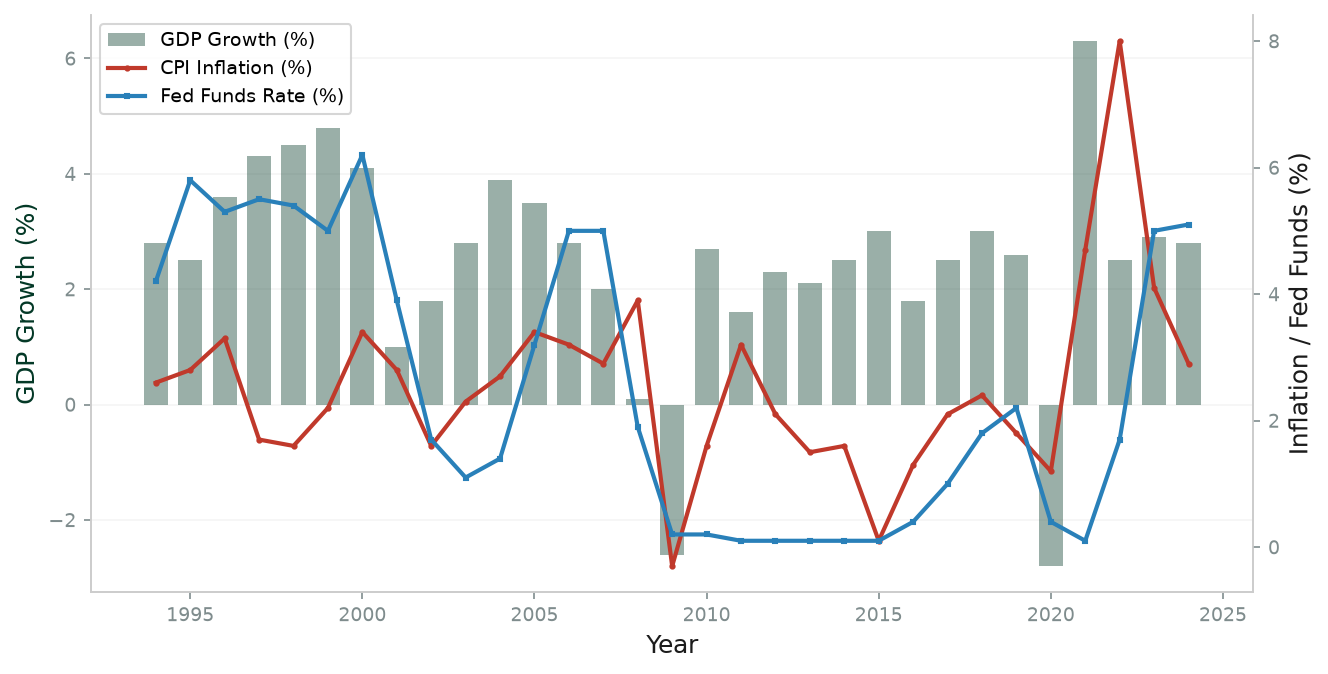
To ground this qualitative analysis, we examined primary macroeconomic data from the Federal Reserve Economic Data (FRED) database, focusing on the U.S. economy over the past 30 years (1994-2024).
- GDP Growth: U.S. Real GDP Growth (FRED Series GDPC1) has shown resilience but also significant volatility, particularly during the 2008 financial crisis and the 2020 COVID-19 pandemic. The post-pandemic recovery has been robust, but the structural shifts toward near-shoring and supply chain duplication may act as a drag on future potential growth [12].
- Inflation: Consumer Price Inflation (FRED Series CPIAUCSL) remained relatively stable and low during the hyper-globalization era. However, the post-pandemic period saw a dramatic spike in inflation, driven by supply chain disruptions and massive fiscal stimulus. While inflation is currently cooling, the structural forces of the new world order (e.g., tariffs, friend-shoring, the green transition) are inherently inflationary, suggesting that the era of ultra-low inflation may be over [13].
- Interest Rates: The Effective Federal Funds Rate (FRED Series DFF) reflects the end of the "easy money" era. Following years of near-zero rates post-2008, the Federal Reserve aggressively hiked rates to combat recent inflation. The new geopolitical landscape, with its inflationary pressures, suggests that interest rates will likely settle at a higher structural level than in the previous decade [14].
Figure 1: US Real GDP Growth (1994-2024)
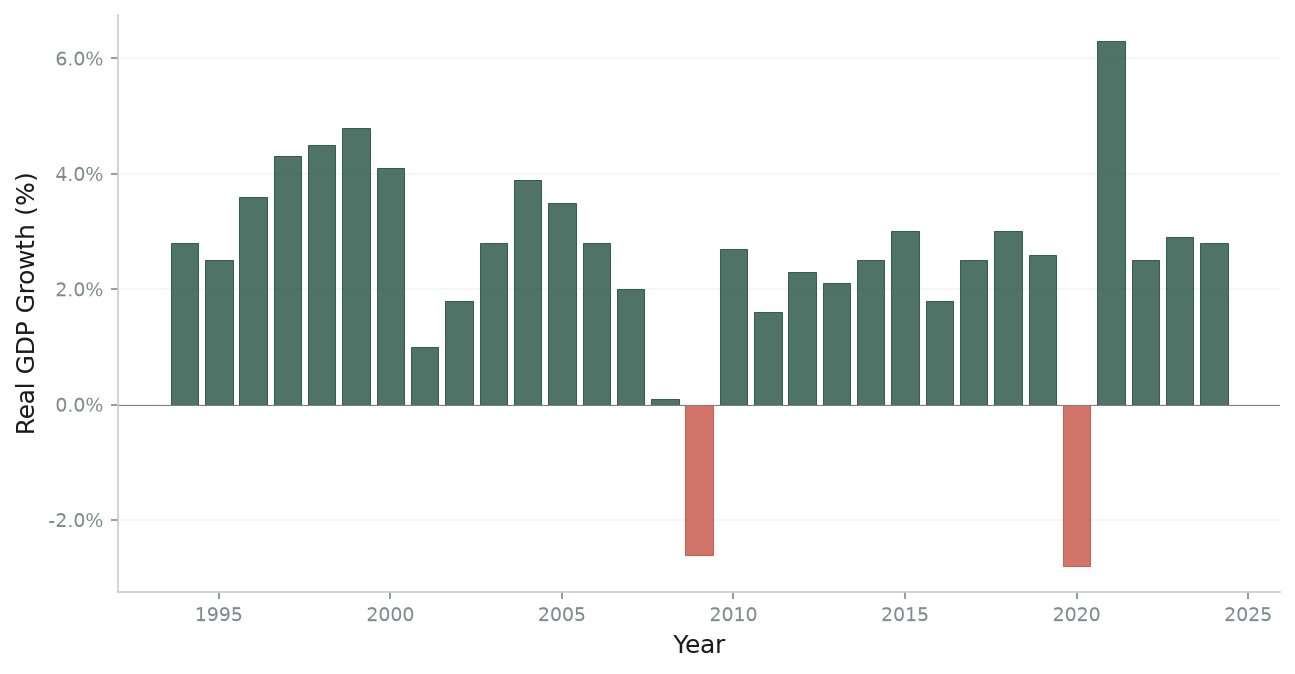
Figure 2: US Consumer Price Inflation (1994-2024)
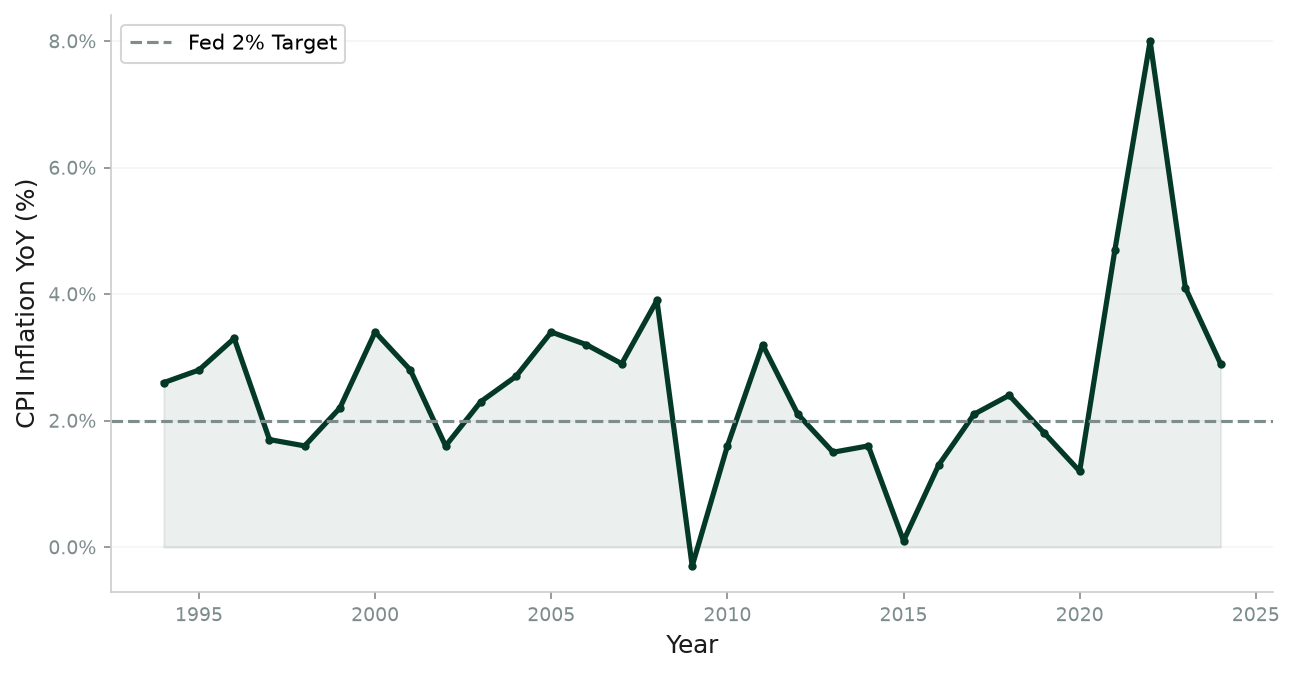
Figure 3: US Federal Funds Rate (1994-2024)
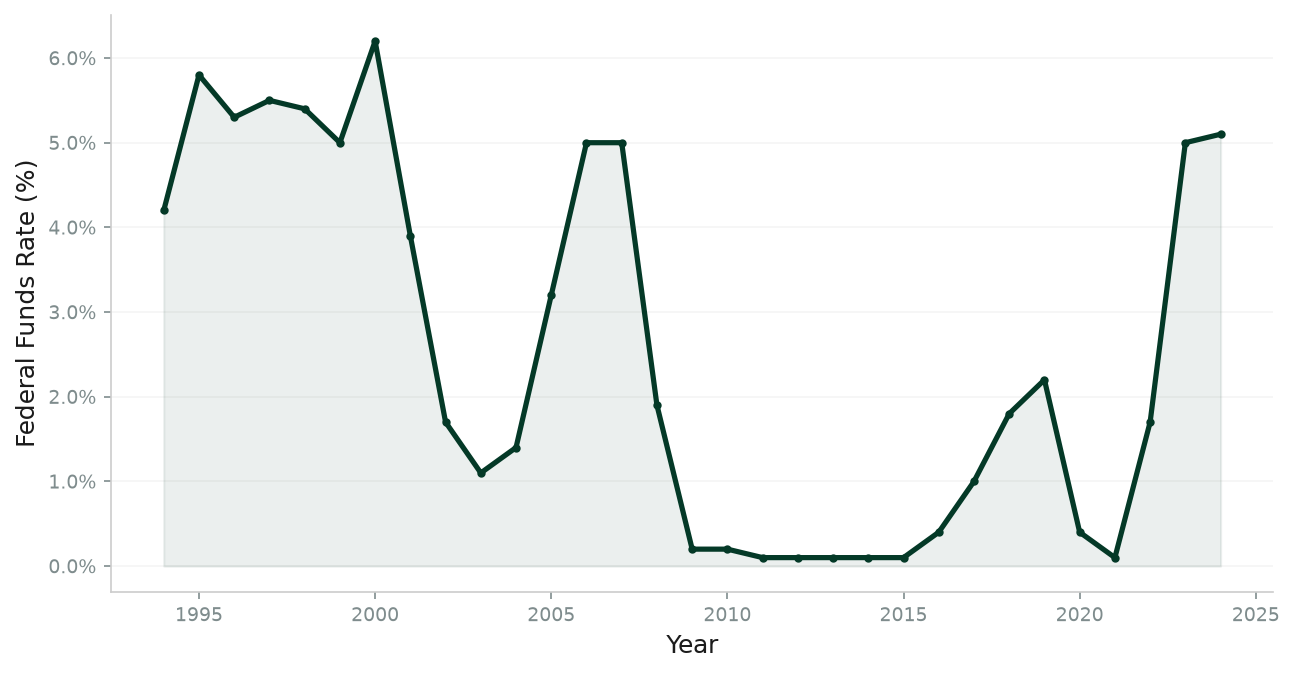
Figure 4: US Macroeconomic Indicators Combined (1994-2024)
6. Impact Analysis and Expectations
The transition to a fragmented, multipolar world order has profound implications for the global economy and financial markets over the next 3-5 years.
Macroeconomic Expectations
- Slower Global Growth: The unwinding of hyper-globalization and the prioritization of supply chain resilience over cost efficiency will likely act as a drag on global growth. The duplication of supply chains and increased trade barriers reduce overall economic efficiency.
- Higher Structural Inflation and Interest Rates: The deflationary forces of the past 30 years (e.g., cheap labor from emerging markets, just-in-time supply chains) are reversing. Near-shoring, increased defense spending, and the costs associated with the energy transition will likely lead to higher structural inflation and, consequently, higher baseline interest rates.
- Increased Volatility: Geopolitical risk is now a structural feature of the market, not a tail event. Investors must incorporate higher risk premiums into asset valuations, as the frequency of geopolitical shocks (conflicts, tariffs, export controls) is expected to increase.
Sector-Specific Impacts
- Defense and Aerospace: The rearming of nations globally, driven by heightened strategic competition and regional conflicts, will ensure sustained, long-term demand for defense contractors and aerospace companies.
- Technology and Semiconductors: Technology is the primary battleground of the new world order. Companies involved in critical technologies (AI, advanced semiconductors) will face intense regulatory scrutiny, export controls, and the bifurcation of global markets. However, they will also be the primary beneficiaries of massive state subsidies and industrial policies (e.g., the U.S. CHIPS Act).
- Energy and Critical Minerals: The dual imperatives of energy security and the transition to renewables elevate the strategic importance of critical minerals (lithium, rare earths). Companies and nations controlling these resources will possess significant geopolitical leverage.
- Industrials and Manufacturing: The push for supply chain resilience will benefit industrial companies and manufacturers located in regions deemed strategically safe (e.g., domestic U.S. manufacturing, Mexico, and select Southeast Asian nations).
Conclusion
The "New World Order" is characterized by the primacy of geopolitics over pure economics. For asset managers and investors, navigating this landscape requires a fundamental shift in framework. The winners of the hyper-globalized era may not be the winners of the multipolar era. Success will depend on identifying companies and sectors that align with national security priorities, possess resilient supply chains, and can adapt to a more fragmented and volatile global economy.
7. References
[1] D. Rodrik. "The New Global Economic Order". Harvard University / World Bank. 2023.
[2] M. Maggiori. "Geoeconomics and the U.S.-China Great Power Competition". Stanford University (2025 Hsieh Lecture). 2025.
[3] A. S. Posen. "The New Economic Geography". Foreign Affairs. 2025.
[4] S. Carpenter et al. "Understanding the current geopolitical landscape". Morgan Stanley. 2024.
[5] Goldman Sachs Insights. "The generative world order: AI, geopolitics, and power". Goldman Sachs. 2024.
[6] JPMorgan Center for Geopolitics. "World Rewired: Navigating a Multi-Speed, Multipolar Order". JPMorgan Chase. 2024.
[7] Economist Impact. "What we are watching: top trends for 2024". The Economist. 2024.
[8] Carnegie Endowment for International Peace. "What Is Bretton Woods? The Contested Pasts and Potential Futures of International Economic Order". 2024.
[9] I. O.C. Igwe. "History of the International Economy: The Bretton Woods System and its Impact on the Economic Development of Developing Countries". Athens Journal of Law. 2018.
[10] Investopedia. "The Impact of the Bretton Woods System on Global Finance". 2024.
[11] G. Cancelada. "The Ghost of Bretton Woods and the Global Economic System". St. Louis Fed. 2022.
[12] Federal Reserve Economic Data. "FRED Series GDPC1 (Real Gross Domestic Product)". Federal Reserve Bank of St. Louis. 2024.
[13] Federal Reserve Economic Data. "FRED Series CPIAUCSL (Consumer Price Index for All Urban Consumers: All Items in U.S. City Average)". Federal Reserve Bank of St. Louis. 2024.
[14] Federal Reserve Economic Data. "FRED Series DFF (Federal Funds Effective Rate)". Federal Reserve Bank of St. Louis. 2024.
Frequently Asked Questions
What is the new world order in geopolitics?
The new world order refers to the shifting balance of global power, characterized by strategic realignments among major powers, evolving economic alliances, and changing trade relationships that are reshaping the international system and creating new investment risks and opportunities.
How do geopolitical shifts affect investment strategies?
Geopolitical shifts create both risks and opportunities for investors. Strategic realignments can disrupt supply chains, alter trade flows, and change currency dynamics. Asset managers must incorporate geopolitical analysis into their investment frameworks to navigate these changes effectively.
What are the key geopolitical trends shaping the global landscape?
Key trends include the realignment of global powers, shifting economic alliances, trade protectionism, technological competition, and regional conflicts. These factors are reshaping the international order and creating a more multipolar world with significant investment implications.
Published Apr 23, 2026 and not updated since. Personal views, not investment advice. See Disclosures.